Few railing styles have had the staying power of cable railing.
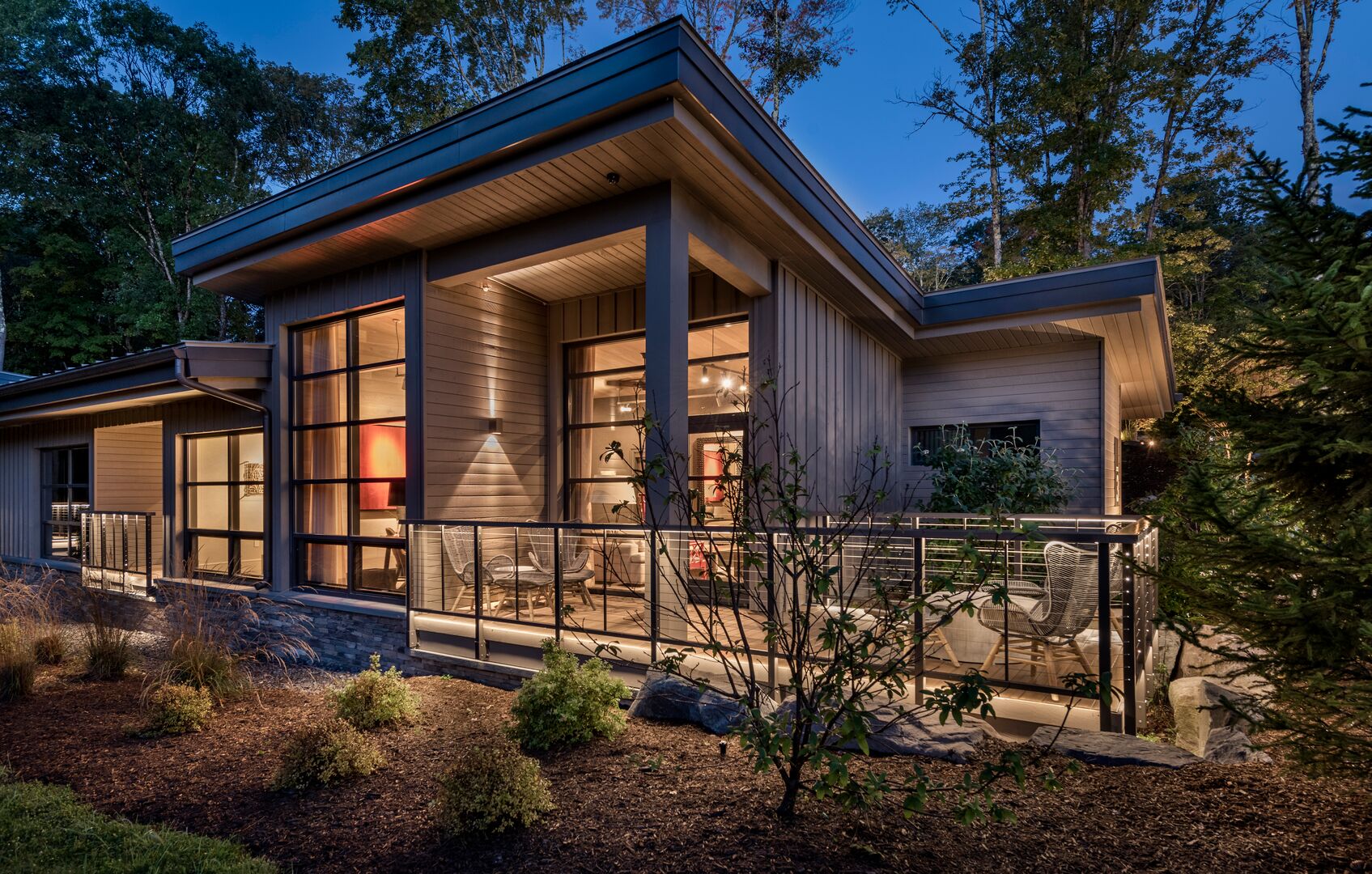
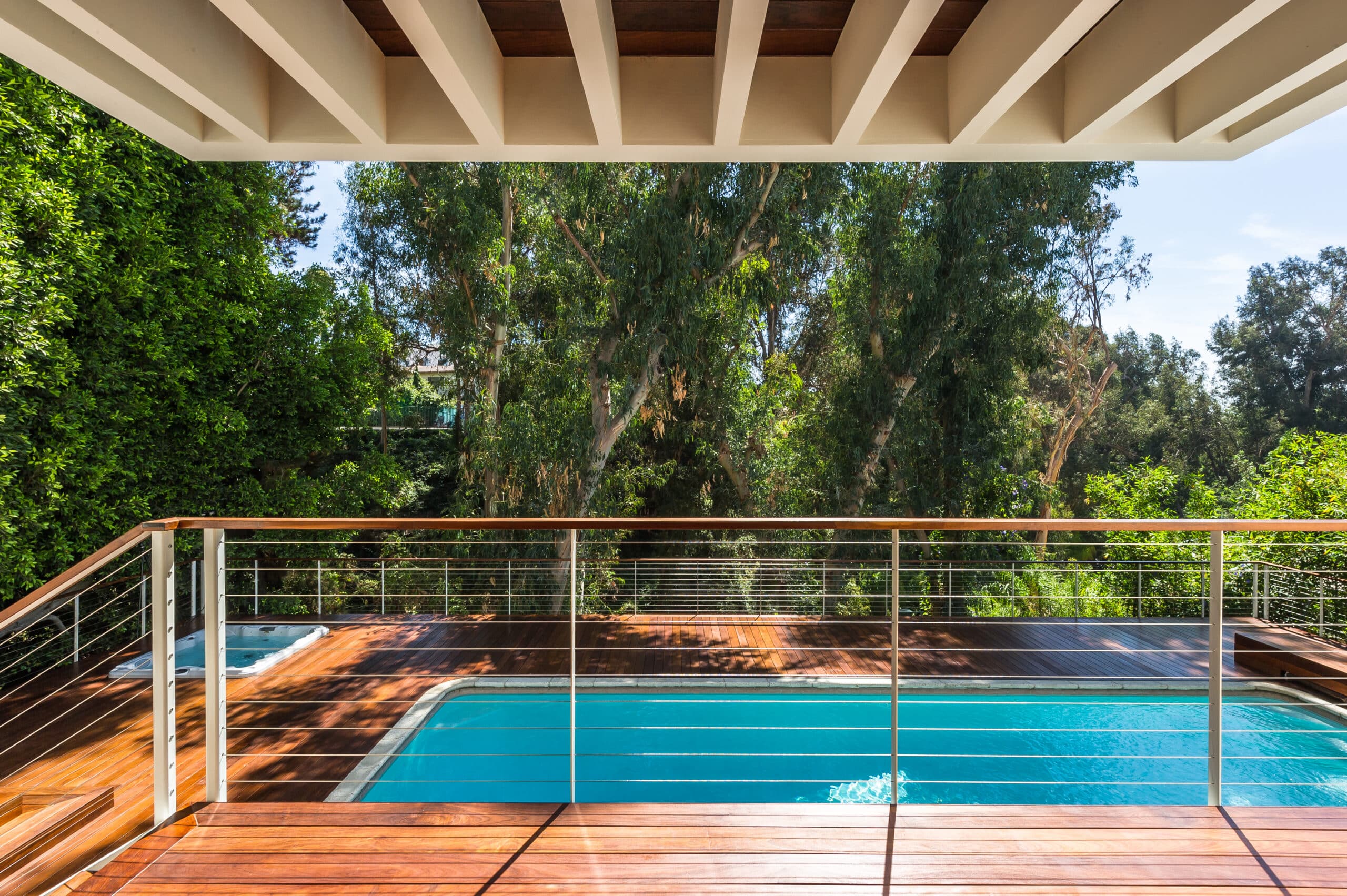
What began as a relatively specialized architectural solution has evolved into a sought-after choice for residential and commercial projects across the country. Today, cable railing can be found framing expansive outdoor living spaces, floating staircases, rooftop terraces, mezzanines, loft railings, pool enclosures and garden walkways.
At Feeney, we’ve had a front-row seat to that evolution. With decades of experience developing and manufacturing cable railing systems, we’ve seen trends change, materials evolve and design preferences shift. Yet one thing has remained consistent: cable railing continues to solve a fundamental architectural challenge. How to create a safe, functional barrier without overwhelming the space around it.
That balance is what has made cable railing more than a passing trend.
“Cable railing has staying power for a reason. It just works.”
— Katrina Ralston, President, Feeney
Cable Railing Was Designed to Let Architecture Take Center Stage
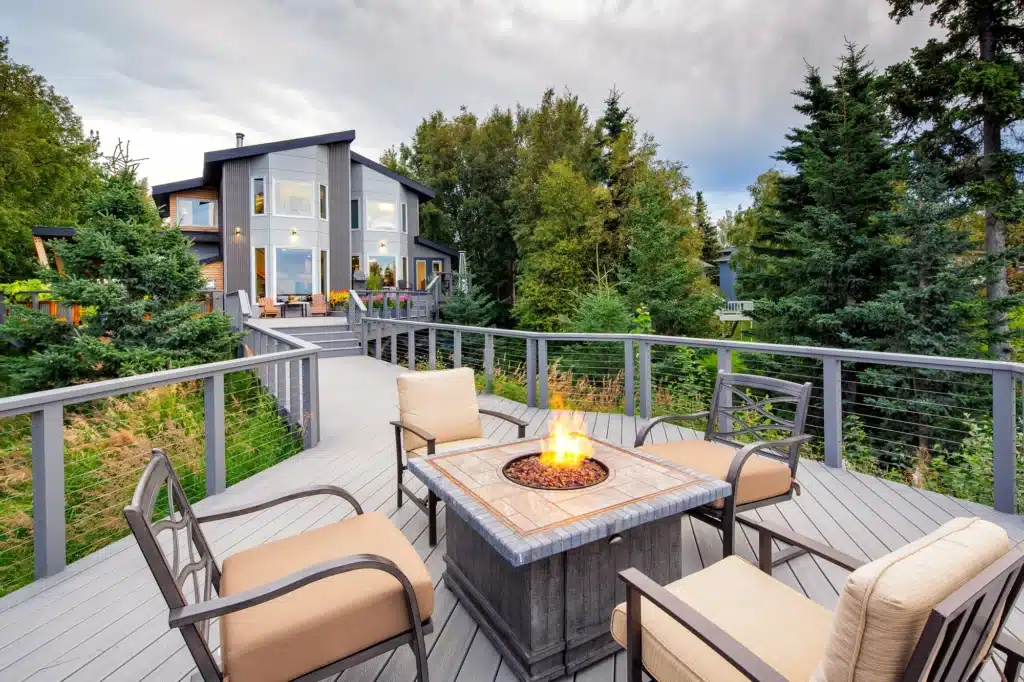
One of the enduring qualities of cable railing is its ability to provide structure without becoming visually heavy. Traditional railing systems can introduce strong vertical or solid elements into a space. Cable infill takes a different approach, using slender stainless steel cables to create a more open visual field.
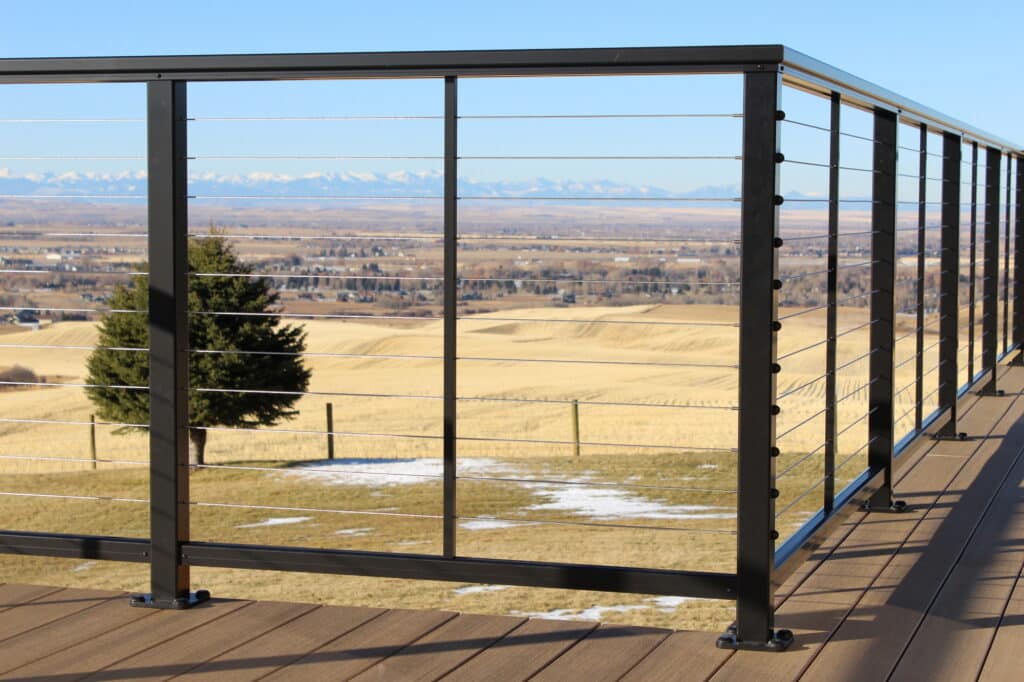
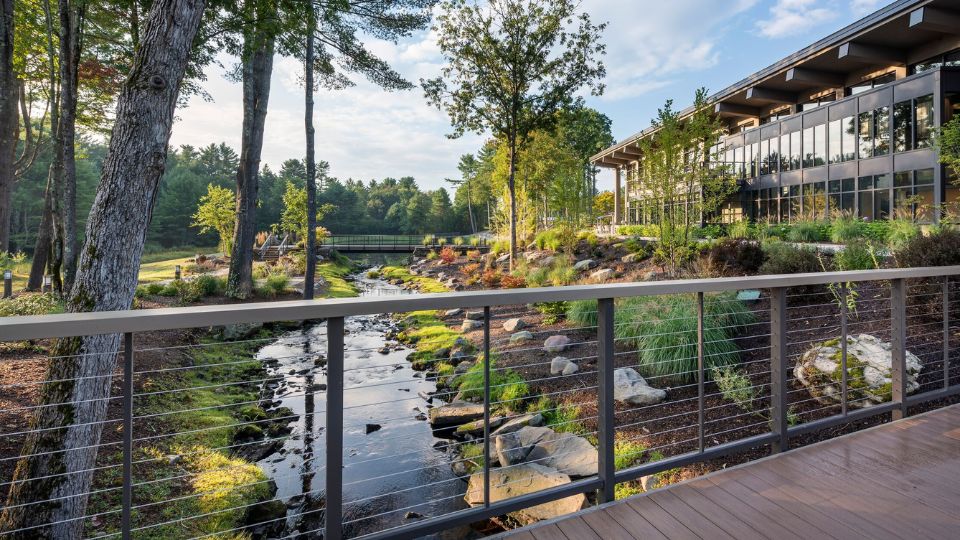
The result is particularly impactful when the surrounding environment is part of the design. Whether overlooking a waterfront, framing a mountain view or opening onto a backyard landscape, cable railing allows the architecture and surroundings to remain the focal point.
“Nobody builds a beautiful home just to cover up the view.”
— Katrina Ralston

For today’s homeowners and design professionals, that matters. As residential architecture has increasingly embraced open floor plans, expansive windows and stronger connections between indoor and outdoor spaces, the demand for railing that maintains those visual connections has grown alongside it.
Its Minimal Aesthetic Has Proven Remarkably Timeless
Design trends inevitably change. What was considered contemporary twenty years ago may look dated today. However, cable railing has proven different. Its simple geometry and minimal visual profile allow it to complement a wide range of architectural styles without dictating the overall aesthetic.
Cable can feel distinctly modern when paired with streamlined aluminum posts and rails. It can take on a warmer character when incorporated into a wood-framed railing system. Different finishes and surrounding materials can further change its expression. That adaptability is one reason we continue to see cable specified across projects that look very different from one another.
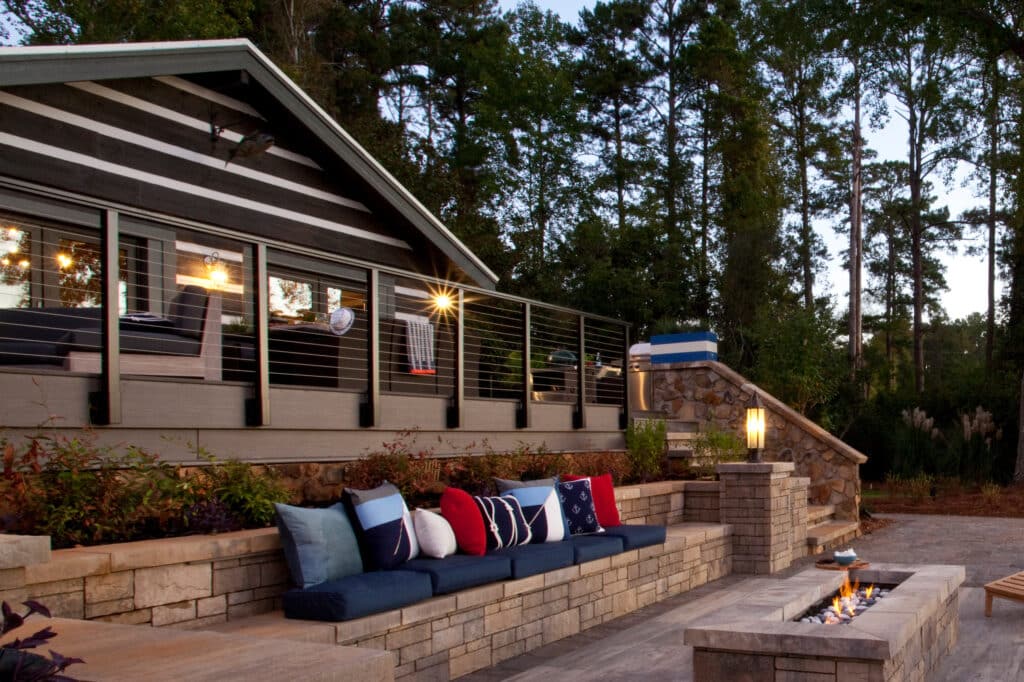
The common denominator isn’t a particular architectural style. It’s the desire for a railing system that feels intentional without competing with the design.
“Cable has always had this really great quality. It makes a statement without shouting.”
— Katrina Ralston
Cable Railing Has Expanded Beyond the Deck
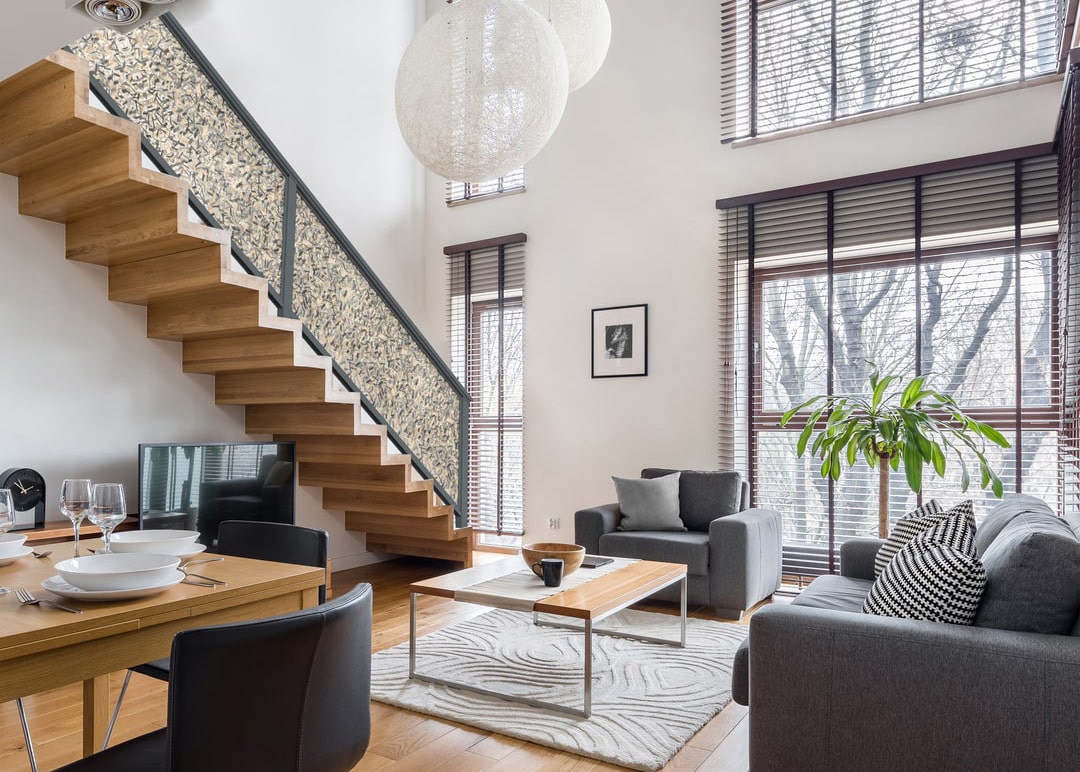
For years, cable railing was most closely associated with exterior decks and elevated outdoor spaces. Those applications remain an important part of the category, but today’s designers are thinking about cable differently. We’re seeing growing interest in cable infill for interior staircases, lofts, mezzanines, balconies and open-concept spaces.
That evolution reflects a broader shift in residential architecture.
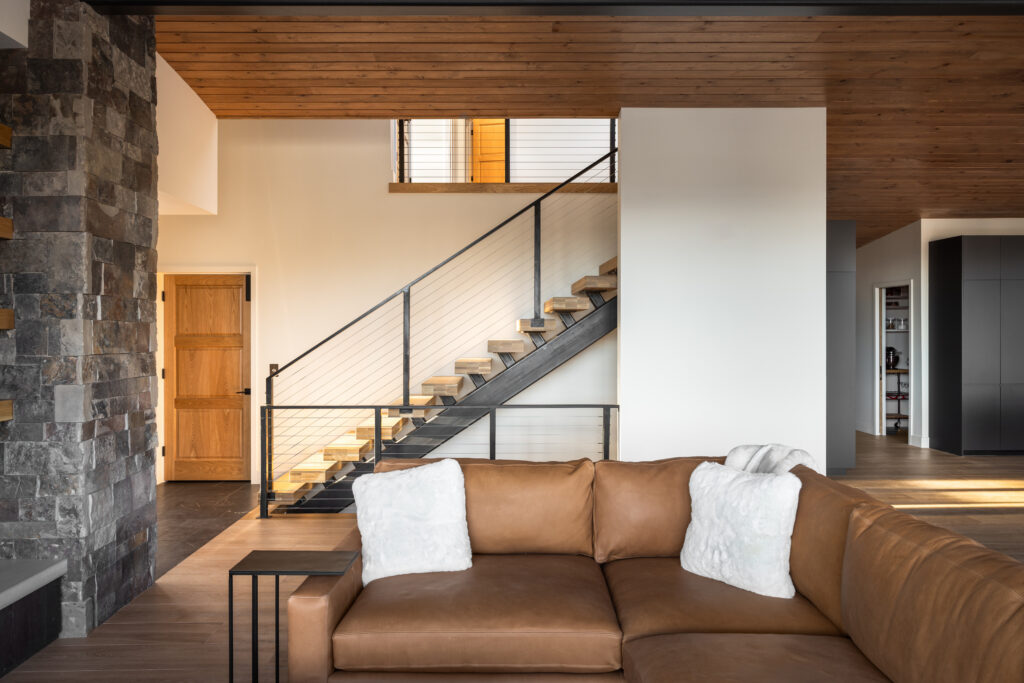
The distinction between indoor and outdoor design continues to blur. Materials once thought of primarily as exterior products are finding new applications inside the home, while interior design increasingly embraces architectural elements that feel clean, durable and purposeful. Cable railing fits naturally into that movement.
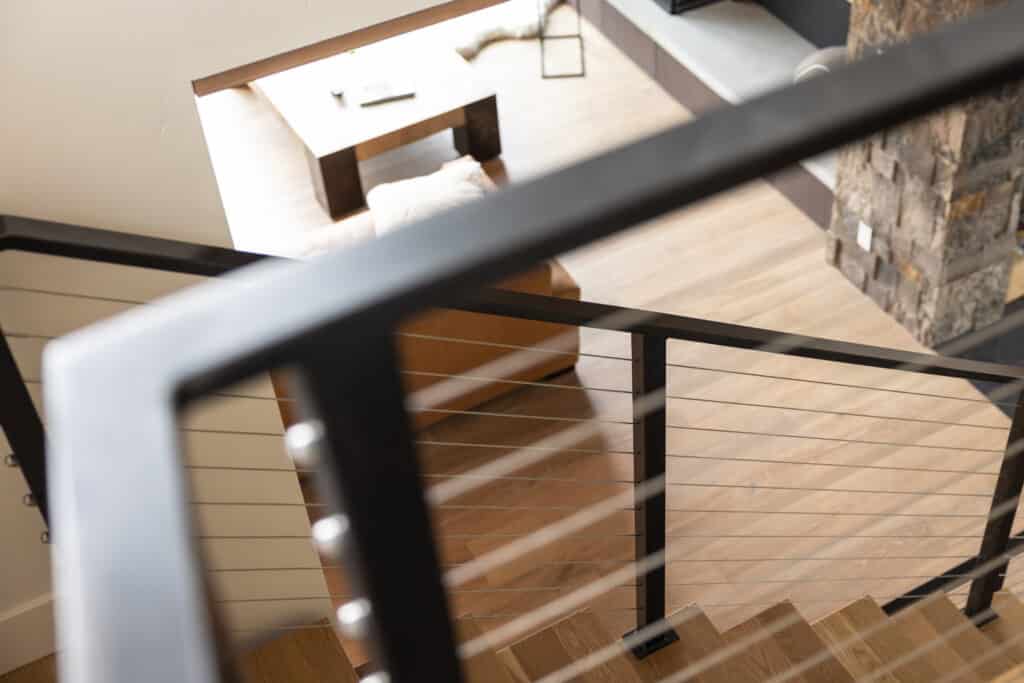
An interior staircase, for example, can require a substantial safety barrier while still benefiting from an open visual character. Cable infill provides an opportunity to meet that functional need while maintaining the sense of openness that designers often seek.
“We used to think of cable as an outdoor product. Now we’re seeing designers take it everywhere.”
— Katrina Ralston
Stainless Steel Is Part of the Story
The visual appeal of cable railing is only one part of its staying power. The materials behind the system matter just as much. Stainless steel cable is valued for its strength, corrosion resistance and clean appearance. When the appropriate materials are selected for the application and the system is properly engineered and installed, cable infill can provide long-term performance alongside its minimalist aesthetic.
This is an important distinction when evaluating railing systems.
A railing isn’t simply a design feature. It is a functional architectural system that needs to perform in the environment where it is installed. That is why material selection, engineering, testing and installation are so important.
“It has to be beautiful, but it also has to do its job. That’s non-negotiable.”
— Katrina Ralston
Why Cable Railing Continues to Evolve
One of the most interesting things we’ve observed over the years is that cable railing hasn’t remained static. The category has evolved alongside the architecture.
Today’s projects demand more choices in materials, finishes, configurations and applications. Designers want the ability to create a cohesive look throughout a property, from an interior staircase to an exterior deck. That has pushed cable railing beyond the idea of simply being “cable between posts.” Modern railing systems can incorporate aluminum framing, different infill options, architectural finishes and configurations designed around the specific needs of a project.
Cable remains an important part of that design vocabulary, but it is now one piece of a much broader architectural railing conversation.
“Cable may be where we started, but it certainly isn’t where the story ends.”
— Katrina Ralston
So Why Has Cable Railing Stayed Relevant?
From our perspective, the answer isn’t complicated. Cable railing solves a problem that isn’t going away.
Homeowners want to enjoy their surroundings. Architects and designers want their material selections to complement—not compete with—the architecture. Builders and contractors need products that combine aesthetics with dependable performance. And everyone involved wants a railing system that can stand up to everyday use and the environment where it is installed.
Cable railing sits at the intersection of those needs.
It provides a visually light alternative to more substantial infill, complements a wide range of design styles and can be incorporated into both interior and exterior applications. That’s why, despite the many changes we’ve seen in residential design, cable railing continues to have a place in today’s homes.
“The best design solutions are the ones that make you wonder why they weren’t always done that way.”
— Katrina Ralston
Looking Ahead: Cable as Part of the Architectural Railing Story
We don’t see the future of cable railing as simply doing more of what we’ve always done. We see it as part of a larger evolution in architectural railing. Today’s designers and builders have more opportunities to treat railing as an intentional design element rather than an afterthought. Aluminum systems, custom infill, specialized finishes and interior applications are expanding what railing can contribute to a space.
Cable will continue to play an important role because its fundamental benefits remain relevant. But the opportunity is bigger than cable alone.
At Feeney, our experience with cable railing has informed how we approach architectural railing as a whole: design should never have to be sacrificed for function, and performance should never have to come at the expense of beauty. That philosophy continues to guide how we develop railing systems for the spaces of today, and the spaces being designed for tomorrow.
“We’ve been in cable for a long time. We’ve learned a lot—and we’re still having fun figuring out what’s next.”
— Katrina Ralston
A Legacy of Cable. A Vision for What’s Next.
Cable railing may have started as a specialized solution, but its staying power has made it an established part of modern residential architecture. After decades in the cable railing industry, we’ve seen firsthand why.
It’s not simply because cable railing looks modern. It’s because it provides a thoughtful balance of openness, performance, versatility and design. And as architecture continues to evolve, that balance will remain relevant.
Explore Feeney’s CableRail and DesignRail® systems to see how cable infill can become part of your next architectural railing project.