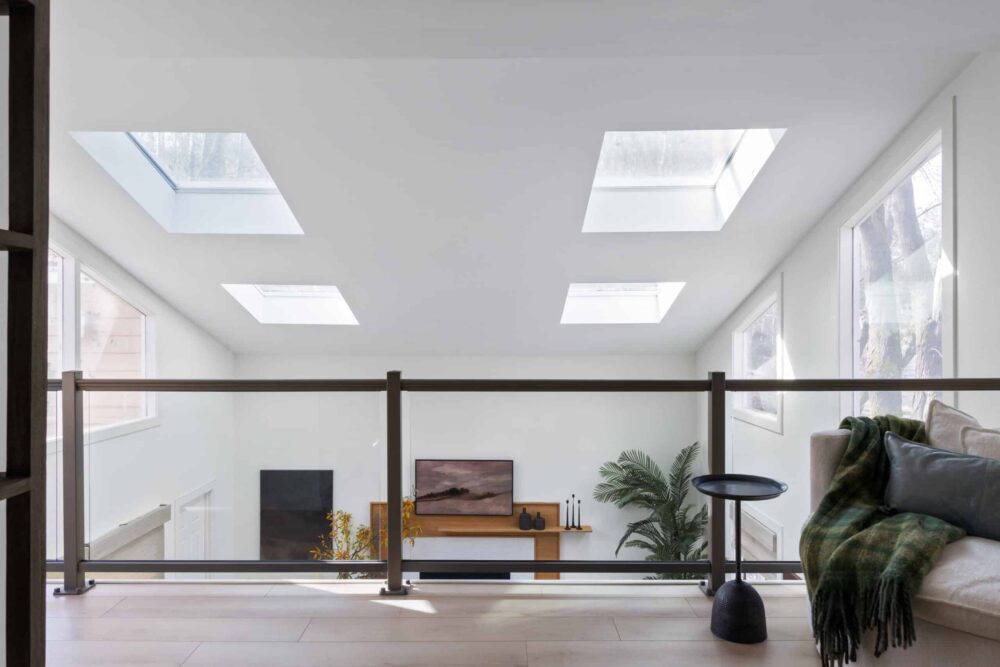
Railing has entered a new era! They are no longer a background detail, but a defining architectural element.
In 2026, architects and designers are specifying railing systems with the same level of intention as flooring, lighting, or millwork. The focus isn’t just on safety or code, it’s on how a railing shapes light, movement, and material contrast within a space. What’s emerging is a clear direction: Minimal. Open. Increasingly expressive.
Minimalist Metal (Still Dominant)
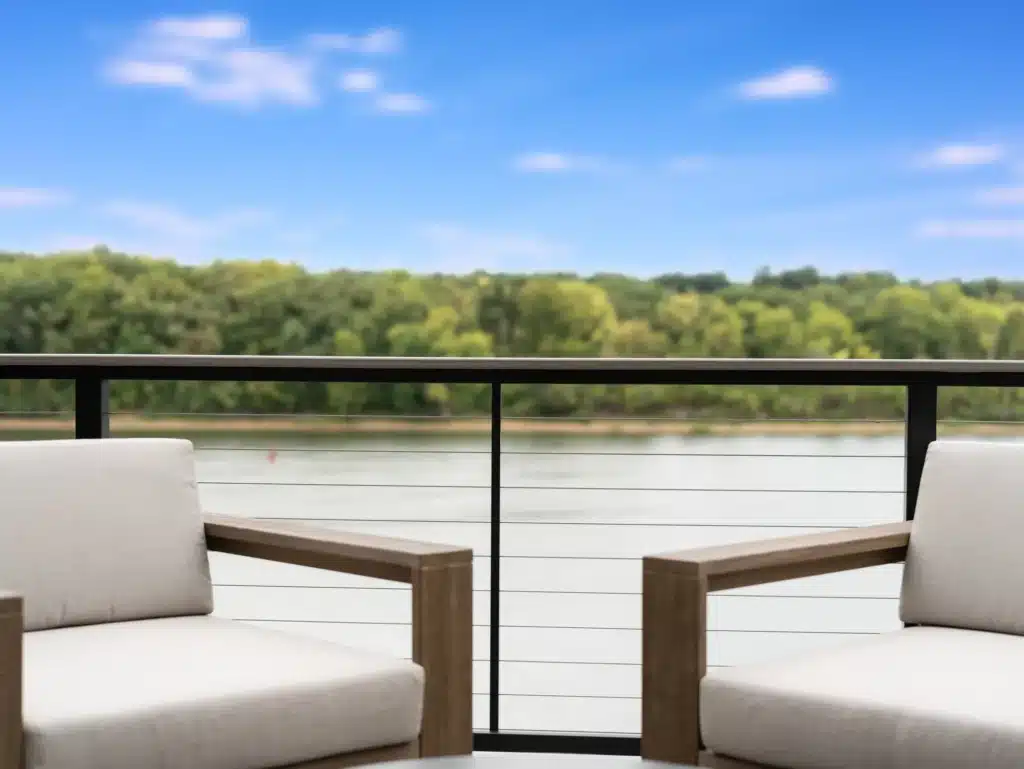
The foundation of modern railing design hasn’t changed, just refined. Architects continue to specify minimalist metal systems defined by clean lines, thin profiles, and restrained geometry. These railings are designed to recede, supporting the architecture rather than competing with it.
Vertical and horizontal linear systems remain the standard across residential and multifamily projects, with aluminum and stainless steel leading for their durability and performance. The goal is clarity: a railing that feels intentional, but almost invisible.
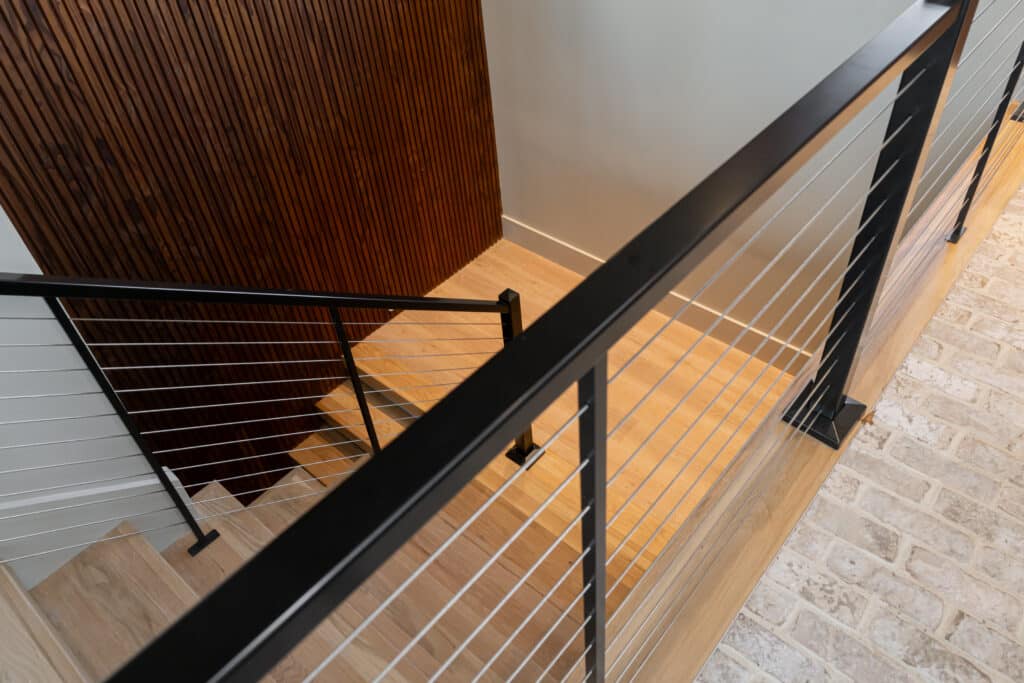
Running parallel to this is the continued dominance of cable and open systems. Horizontal cable railing, in particular, is still being specified for its ability to:
- Preserve uninterrupted sightlines
- Maximize natural light flow
- Reinforce indoor-outdoor continuity
It’s a simple design move, but one that fundamentally changes how a space is experienced.
The Color Black as the Default
Black remains the most specified finish, and arguably the most versatile. It anchors a space without overpowering it, pairing beautifully with wood, stone, concrete, and light exterior palettes. In many projects, it’s less of a design decision and more of a baseline specification.
Feeney Product That Fits
Quick-ship DesignRail® Modern with CableRail aligns naturally with this direction, delivering streamlined profiles and open sightlines with the speed today’s projects demand.
Sculptural & Feature Railings
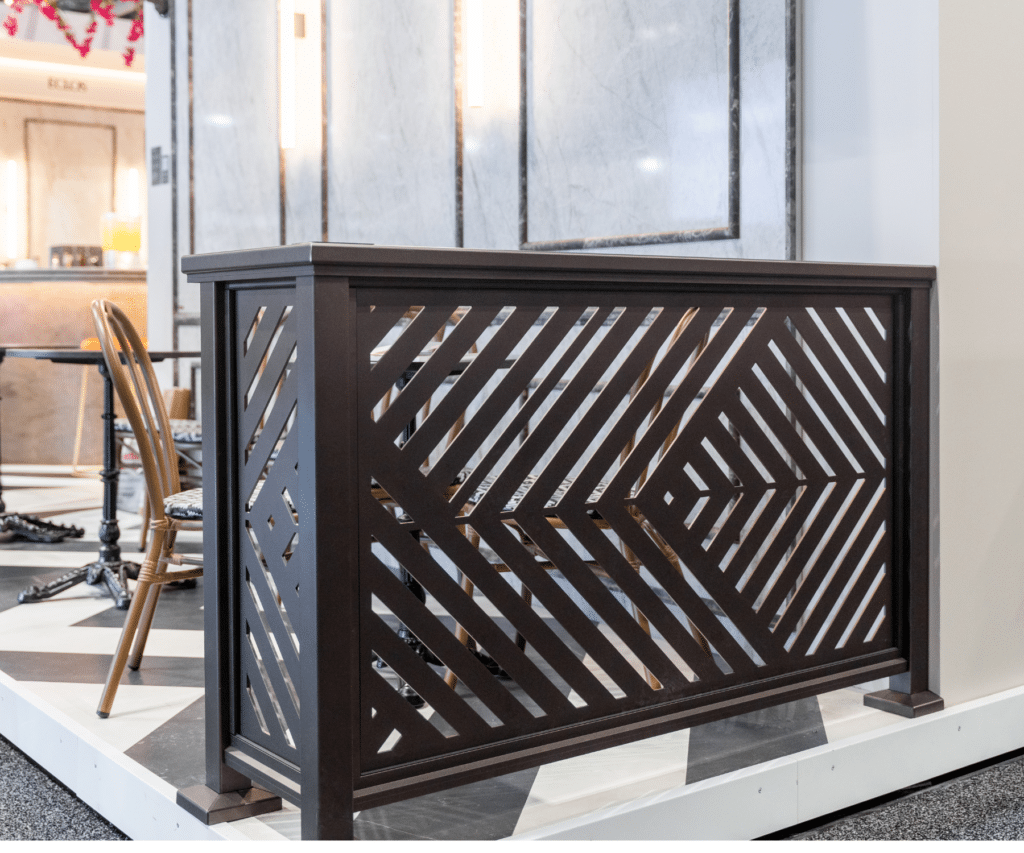
If minimalist railings are about restraint, sculptural railings are about expression. A growing number of architects are specifying custom balusters, bold geometries, and statement stair systems that function as focal points within a space. These are not background elements, they’re moments. You’ll see this most often in:
- High-end residential interiors
- Hospitality environments
- Commercial lobbies and feature staircases
Here, railing becomes a tool for storytelling, introducing rhythm, shadow, and architectural identity.
A Shift Toward Softer Dark Neutrals
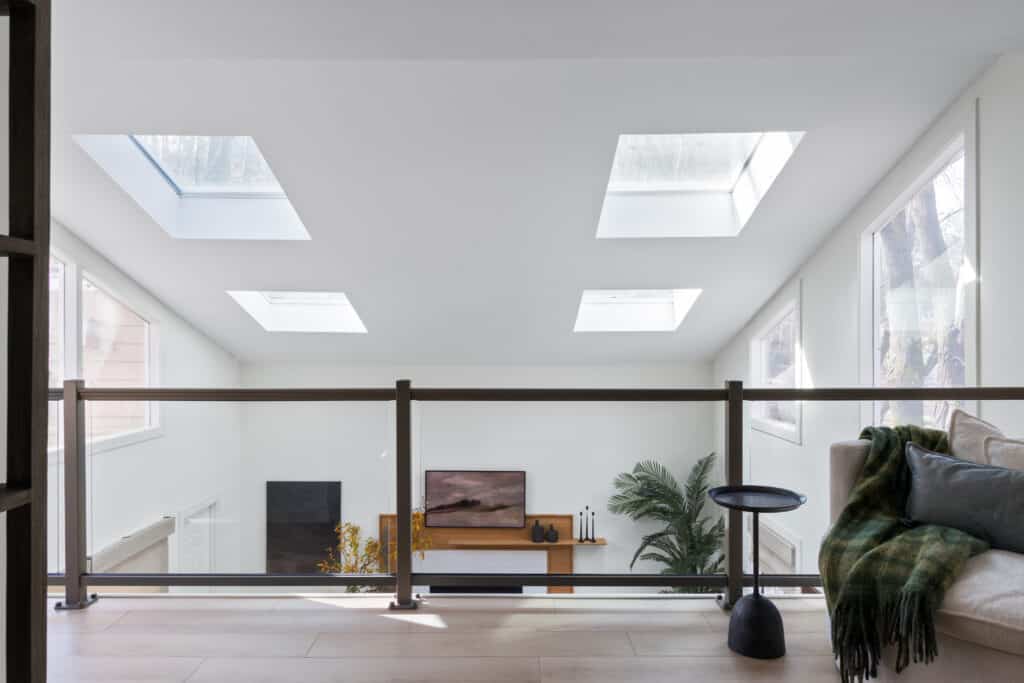
While black still leads, designers are expanding into more nuanced tones like graphite, charcoal, and dark bronze. These finishes soften the starkness of pure black, adding warmth and depth without losing that modern edge. It’s a subtle shift, but one that reflects a broader move towards more livable modernism.
Feeney Product That Fits
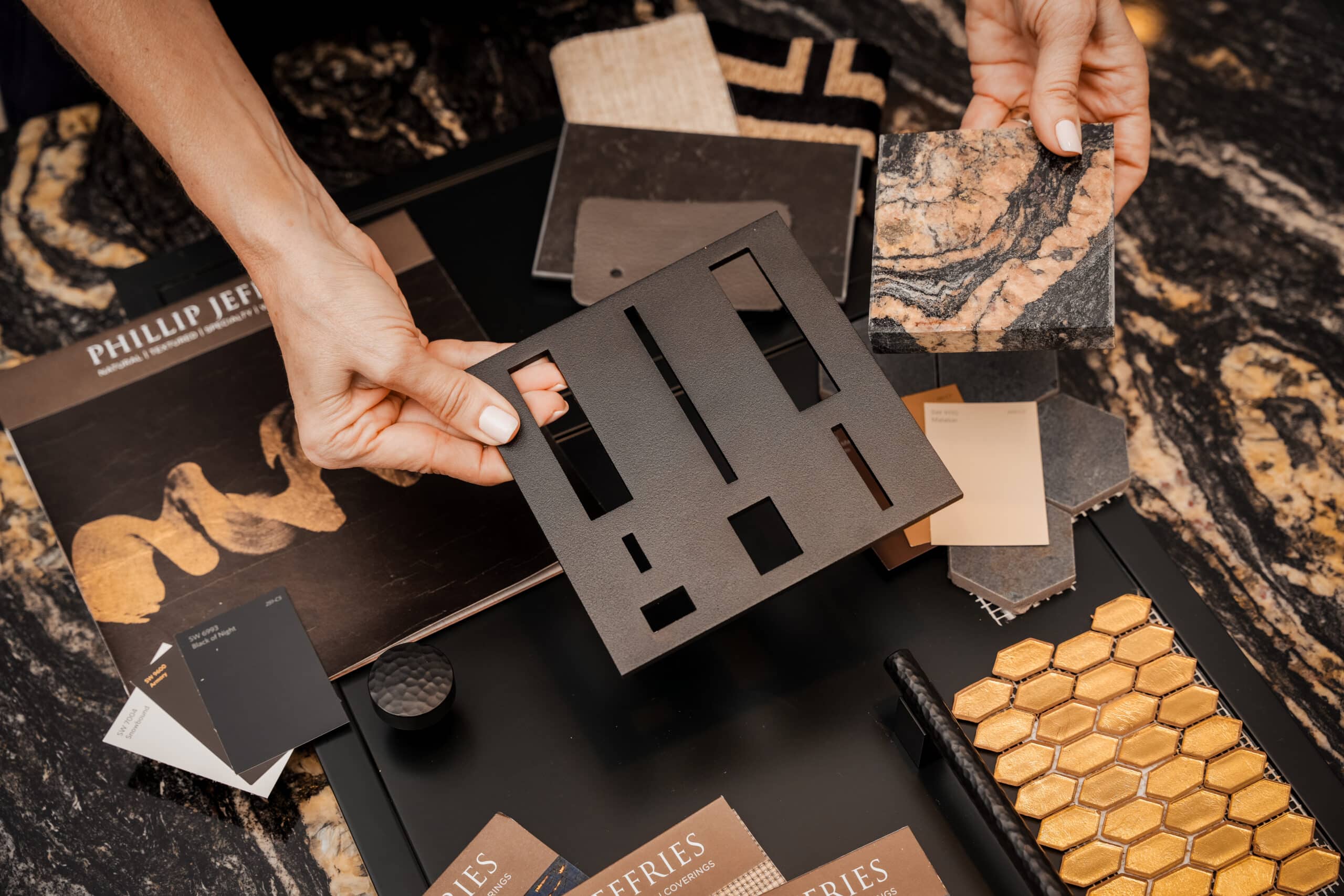
DesignRail® Custom with the Feeney x Kerrie Kelly LaserCut Collection brings this sculptural approach to life. With ColorEasy™ finishes like Oil Rubbed Bronze, Iron Gray and Sparkling Champagne, it allows railing to become an architectural feature, not just a system.
Mesh & Screen Infill (Fast-Growing)
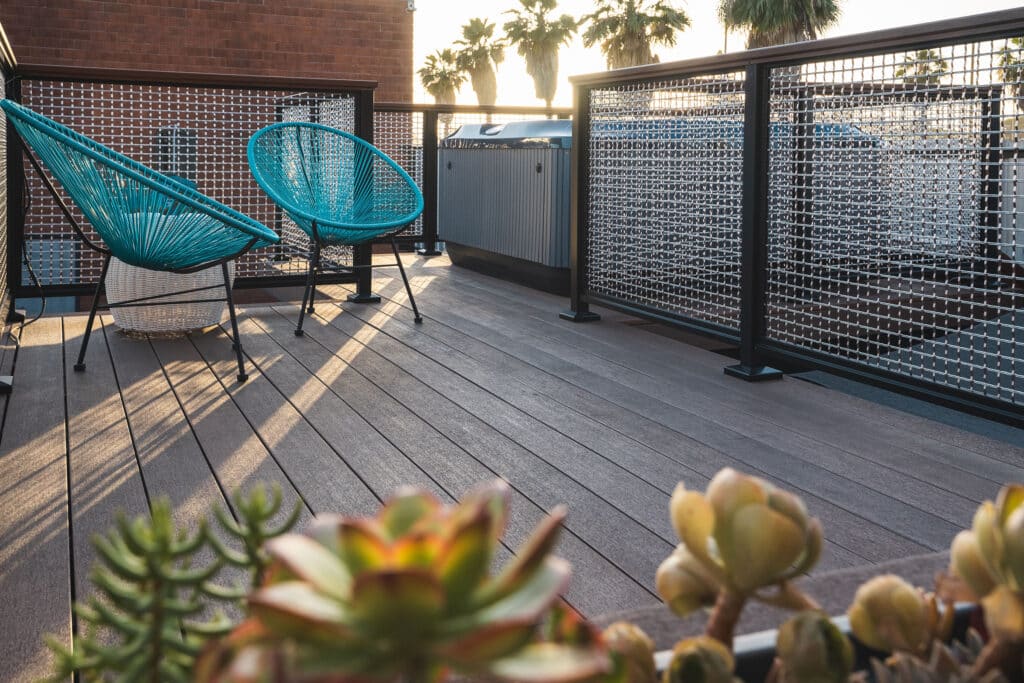
One of the most notable shifts in 2026 is the rise of mesh and screen infill systems. Positioned between openness and enclosure, these systems offer a semi-transparent, textural alternative to both cable and glass. They introduce visual complexity, without sacrificing the clean, modern aesthetic professionals are after. Architects and designers are specifying mesh because it:
- Feels lighter and more refined than traditional pipe infill
- Creates layered texture and dynamic shadow play
- Offers a more approachable alternative to glass in many applications
The result is a railing that doesn’t just define space, it activates it.
Feeney Product That Fits
DesignRail® Custom with Mesh Panels supports this growing direction, giving designers the flexibility to introduce texture while maintaining a cohesive, contemporary look.
The Bigger Shift
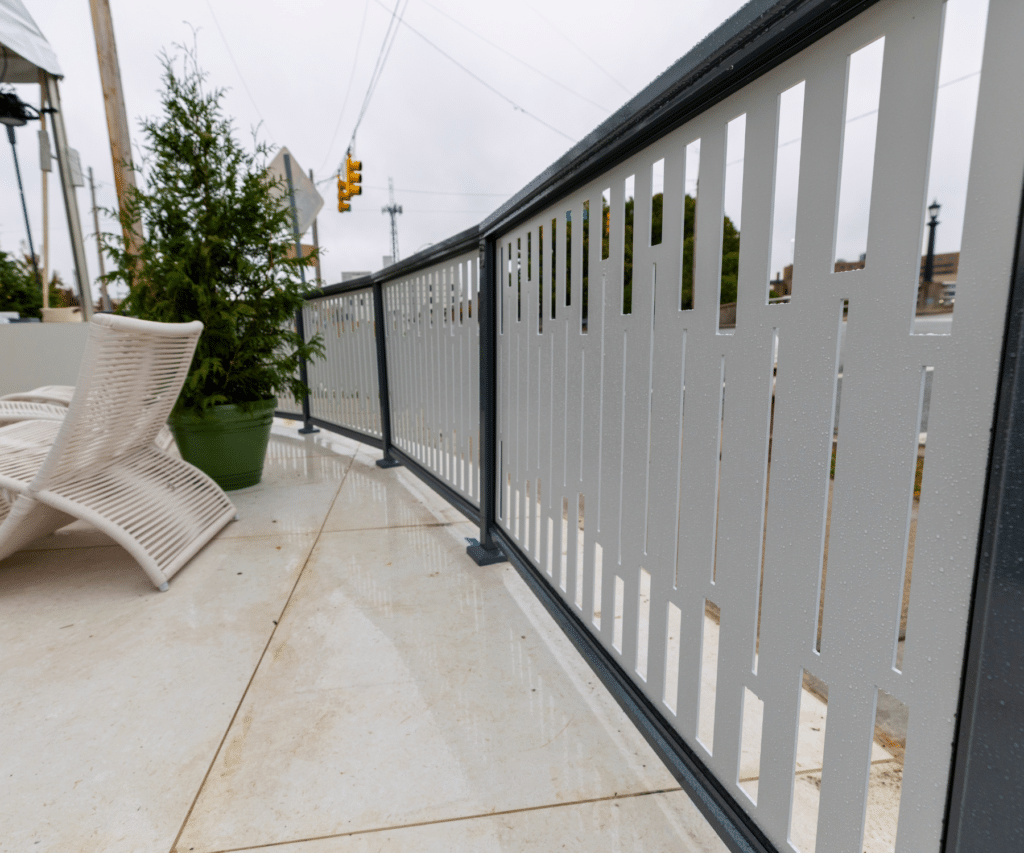
Across all three directions, one idea stands out, railing is no longer a secondary detail, it’s part of the architectural language. In 2026, architects are specifying systems that balance openness and structure, minimalism and warmth, and performance and visual impact.
Whether it disappears into the background or becomes the focal point, railing now plays a critical role in how a space is experienced. And increasingly, it’s where some of the most interesting design decisions are being made.
Looking for ways to bring these trends into your next project? Feeney’s Design Hub offers a deeper look at railing systems, materials, and customization options, so you can move from inspiration to specification with confidence. Explore finishes, infill options, and design possibilities to find the right fit for your vision.